
Creative Hobbies That Boost Brain Health After 60
Staying mentally sharp is a priority for many people as they move through their 60s and beyond. While healthy eating, regular exercise, and good sleep all play important roles in cognitive wellness, one of the most enjoyable ways to support brain health is through creative hobbies.
Engaging in creative activities stimulates different parts of the brain, encourages problem-solving, and promotes emotional well-being. In fact, research shows that regularly participating in stimulating activities can help improve memory, maintain focus, and support long-term cognitive health.
If you’re looking for hobbies for senior brain health, creative pursuits offer both fun and meaningful benefits.
Why Creative Hobbies Are Good for the Brain
Creative hobbies challenge the brain to think in new ways. Whether you’re learning a new skill or refining an existing one, your brain forms new neural connections when it engages in complex or unfamiliar tasks.
Some of the cognitive benefits of creative hobbies include:
-
Improved memory and concentration
-
Enhanced problem-solving skills
-
Reduced stress and anxiety
-
Increased mental flexibility
-
A stronger sense of accomplishment
Creative hobbies also encourage mindfulness. When you’re focused on painting a landscape or finishing a puzzle, your mind becomes fully engaged in the present moment—helping reduce stress and promote overall mental well-being.
Painting and Visual Arts
Painting, drawing, and other visual arts are excellent hobbies for stimulating creativity and supporting brain function. These activities require concentration, hand-eye coordination, and decision-making, all of which activate multiple areas of the brain.
Benefits of visual arts include:
-
Improving focus and attention
-
Strengthening fine motor skills
-
Encouraging self-expression
-
Enhancing creativity and imagination
You don’t need to be an experienced artist to enjoy these activities. Many seniors discover a passion for painting or sketching later in life, especially when participating in relaxed group classes or community art sessions.
Playing or Listening to Music
Music is one of the most powerful tools for brain stimulation. Playing an instrument requires coordination, memory, and pattern recognition, while listening to music can trigger emotional responses and recall memories.
Musical hobbies may include:
-
Learning a new instrument
-
Joining a community choir
-
Practicing piano or guitar
-
Creating playlists that inspire movement or relaxation
Research has shown that music can help improve memory recall and emotional well-being, making it a particularly valuable hobby for older adults.
Writing and Storytelling
Writing is another wonderful way to keep the mind active. Whether it’s journaling, poetry, or storytelling, writing encourages reflection, creativity, and organization of thoughts.
Popular writing hobbies for senior brain health include:
-
Journaling about daily life
-
Writing family stories or memoirs
-
Poetry or short fiction
-
Blogging or participating in writing groups
Writing also provides an opportunity to document personal history and experiences, like memoirs, creating meaningful keepsakes for future generations.
Puzzles and Brain Games
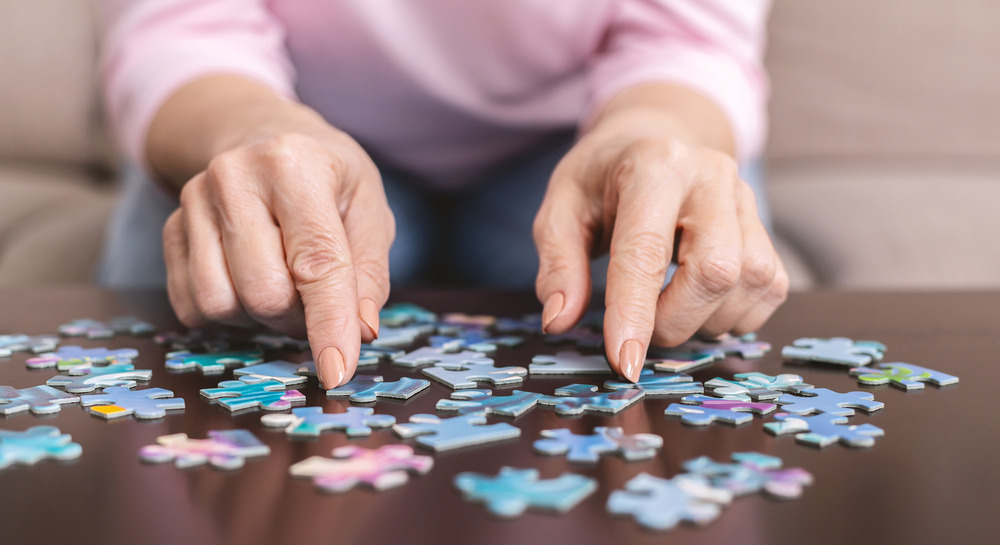
While puzzles may seem simple, they offer powerful mental workouts. Activities like crosswords, Sudoku, and logic puzzles strengthen memory, attention, and problem-solving abilities.
Common brain-boosting puzzles include:
-
Crossword puzzles
-
Sudoku
-
Word searches
-
Jigsaw puzzles
-
Strategy or board games
These activities challenge the brain to think critically and recognize patterns, which can help maintain cognitive function over time.
Learning Something New
Perhaps the most powerful hobby for brain health is simply learning something new. Taking up a fresh interest challenges the brain to adapt, build new neural pathways, and stay mentally flexible.
Some examples include:
-
Learning a new language
-
Taking photography classes
-
Exploring cooking or baking techniques
-
Trying knitting, woodworking, or crafts
The process of learning keeps the brain engaged and helps build confidence and curiosity at any age.
The Social Benefits of Creative Hobbies
Creative hobbies often bring people together. Joining a class, club, or workshop allows seniors to connect with others who share similar interests.
Social interaction is another key factor in cognitive wellness. Engaging in conversations, collaborating on projects, and sharing creative experiences can help reduce feelings of isolation and support emotional health.
Communities that encourage social engagement and shared activities make it easier for residents to explore new hobbies while building lasting friendships.
Discover Opportunities for Creativity at Cumberland Crossing
Creative hobbies are more than just enjoyable pastimes—they’re powerful tools for supporting lifelong learning, emotional well-being, and cognitive health. Whether it’s painting, writing, music, or puzzles, these activities help keep the mind active while adding joy and purpose to everyday life.
At Cumberland Crossing by OceanView, residents have opportunities to explore interests, connect with neighbors, and participate in engaging activities designed to support an active and fulfilling lifestyle.
Curious about what life at Cumberland Crossing is like? Contact us today to learn more about our community, schedule a visit, or discover how you can enjoy a vibrant lifestyle filled with connection, creativity, and opportunities for lifelong learning.
